Excavation
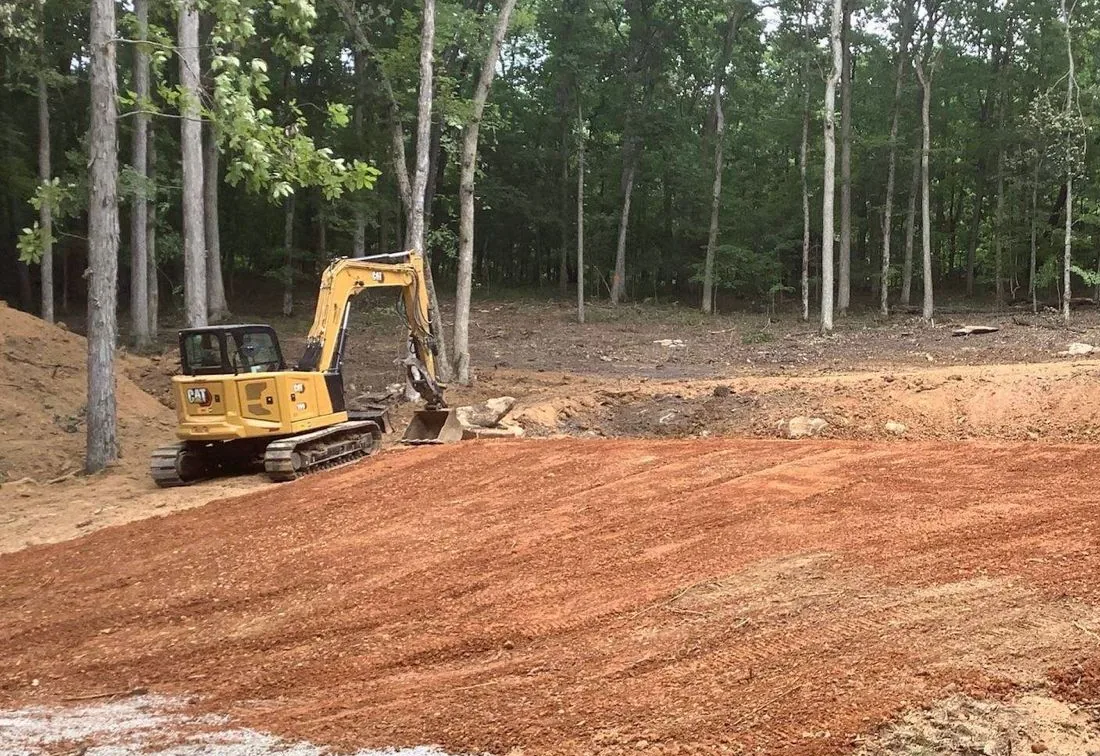
We dig footings and cut and fill lots across northeast Louisiana. Soft ground comes out, good fill goes back in, and the spoil leaves in our dump truck.
Learn More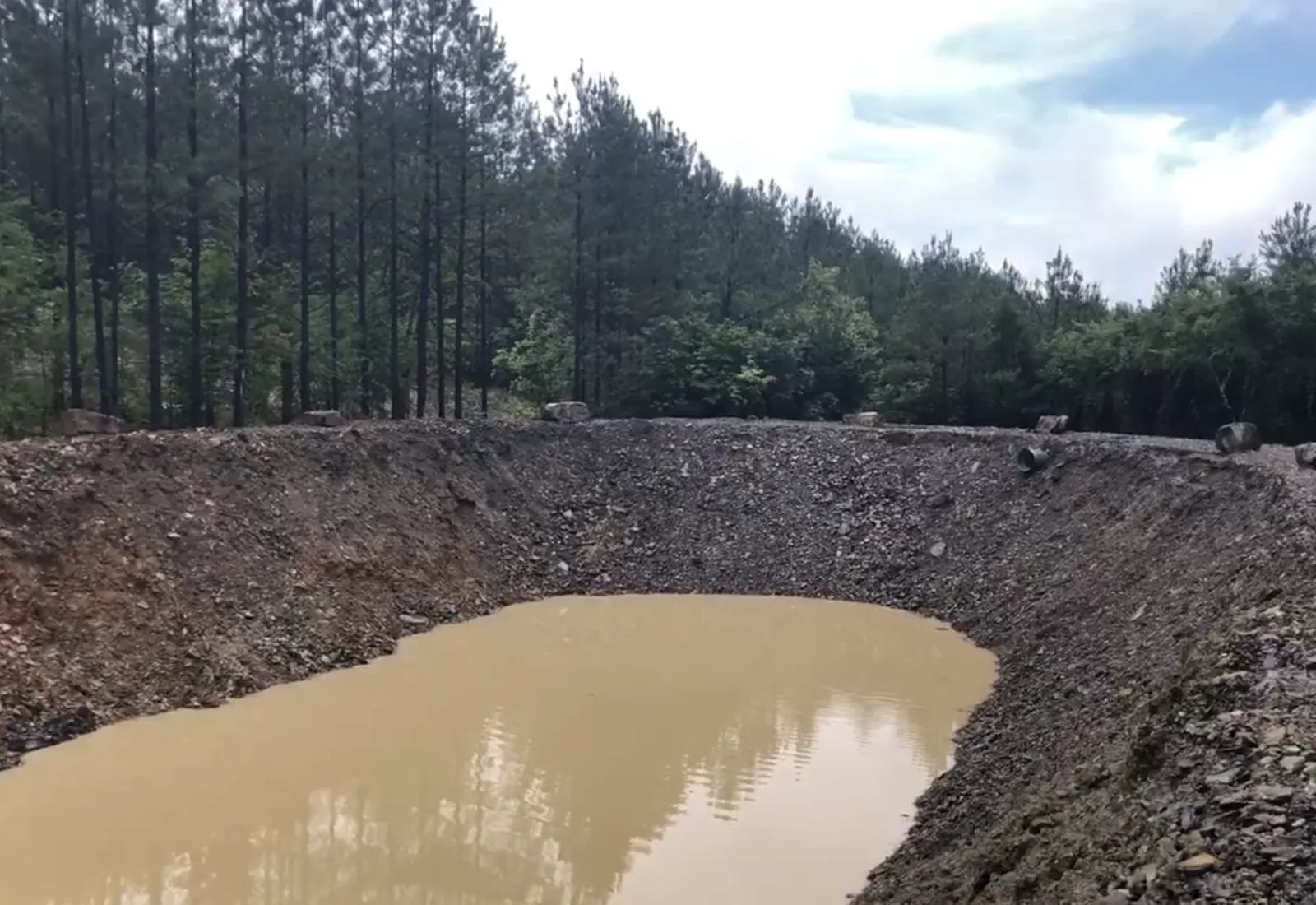
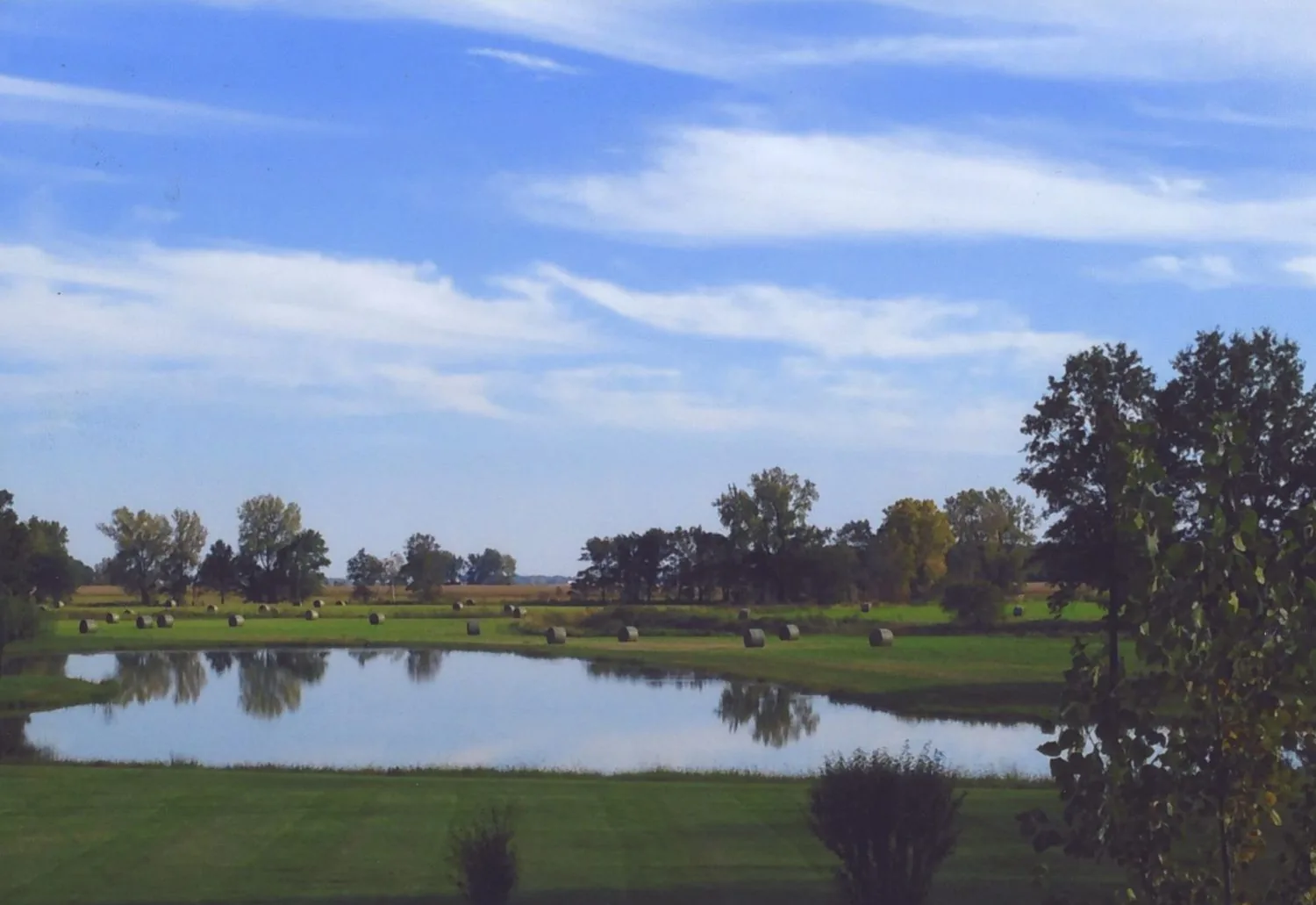
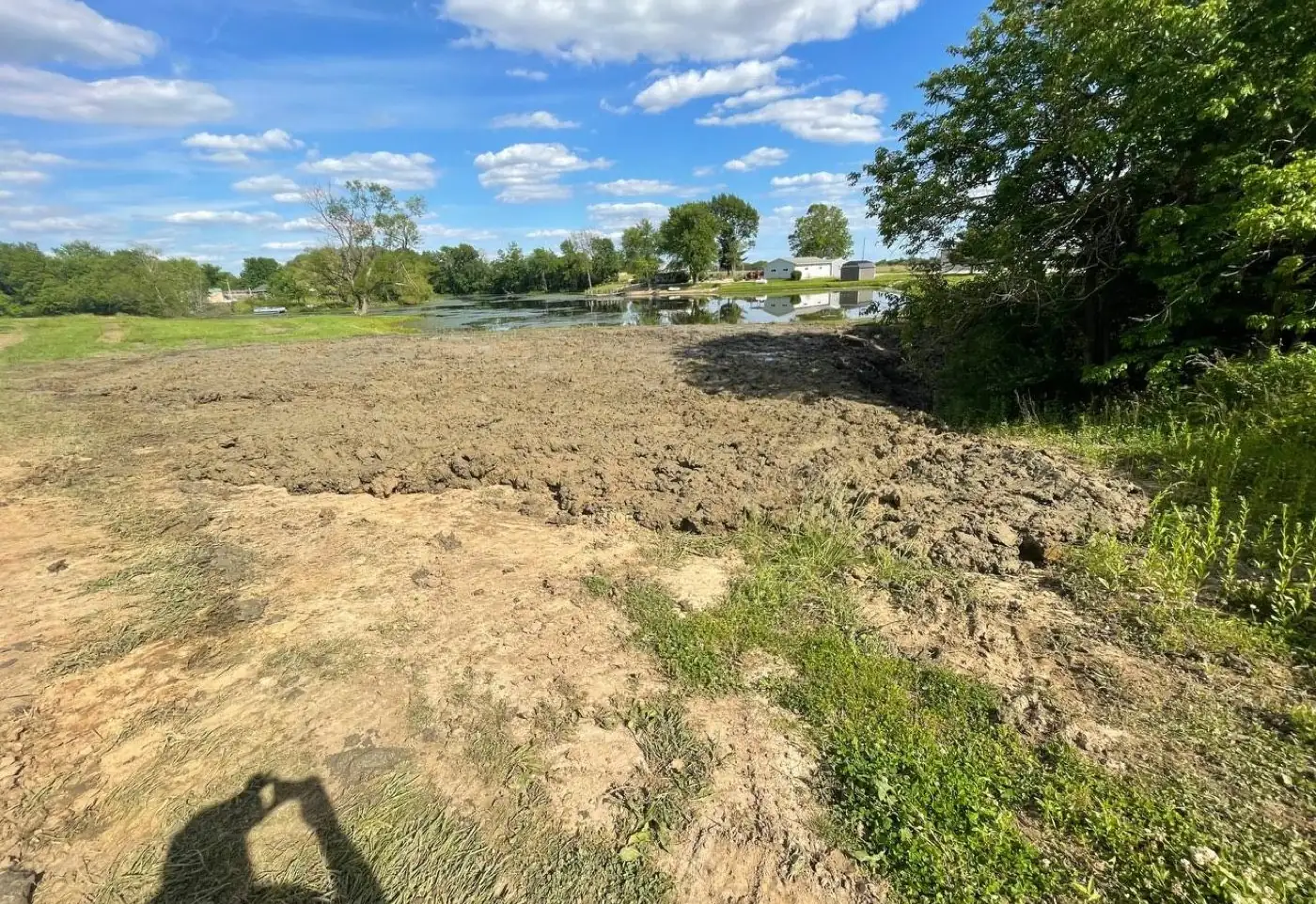
Pond construction starts with the dirt, not the machine. A pond holds water only when the ground under it holds water. Around here that changes fast from one place to the next. We dig farm, fishing and stock ponds and duck water on rural land around Bastrop and about 60 miles out.
The basin, the dam and the spillway are one job, and one contractor handles all of it. Our excavator digs and shapes the pond, and most of the dirt that comes out goes into the dam. Spoil we do not need is spread on the place or hauled off by the load. Ponds are dirt work we do around Bastrop, and the estimate is free after we look at the site.
Tell us about the job. We will get right back to you.
A pond holds or leaks on the clay in the dirt under it. LSU AgCenter puts the line at about 25 percent clay or silt, checked 2 feet below the pond bottom. That is why we dig test holes before anything else.
Morehouse Parish runs both ways, and the biggest soil in it is Perry clay. That soil is near 60 percent clay at the surface, and water barely moves through it. Two of the next biggest, Hebert and Sterlington, are natural-levee silt loams near 12 to 14 percent clay. Those will not seal a pond on their own.
West of Monroe the Lucy sands run about 6.5 percent clay and drain almost instantly. A pond dug in that ground leaks unless the basin reaches tight material below. The piney hills at Farmerville, Ruston and Minden sit on the same sandy ridge over red clay. East toward the Delta the Sharkey buckshot clay runs 50 percent clay and holds water.
The basin and the footprint of the levee get cleared first. On a wooded site that is land clearing work before the pond starts. LSU AgCenter says to clear the basin plus a strip at least 20 feet back from the water line. Stumps and branches buried in a levee rot out and leave a channel for water to escape.
The dam goes up in lifts, and each lift gets packed before the next one. Where the ground under it is leaky, a core trench is cut into tighter material first. The federal Natural Resources Conservation Service puts that cutoff at or upstream of the dam centerline. Its Pond Standard 378 says to add at least 5 percent to the dam height for settling.
The spillway is what saves the dam in a hard rain. The LSU AgCenter rule of thumb is a spillway at least 10 percent as wide as the levee is long. The same publication puts pond levee side slopes between three to one and five to one.
Section 404 of the Clean Water Act covers fill put into waters of the United States, wetlands included. A pond dug in upland ground that catches only surface runoff usually falls outside that. Damming a real drain or filling a wet bottom is a call the Corps of Engineers Vicksburg District makes.
Louisiana has its own dam rule through LA DOTD. Any barrier 6 feet or higher that stores 15 acre-feet or more goes to DOTD for review. That written approval has to be in hand before any dirt moves. Most farm and recreation ponds here sit well under those numbers.
NRCS gives free technical help on ponds. The LSU AgCenter pond publication sends owners to the local NRCS office for soil types and spillway sizing. Farm program participants should also check with NRCS before clearing or draining wet ground.
Free estimates and site visits across Bastrop, Monroe and about 60 miles around.
(318) 614-2073From the first call to the final grade, here is how it goes.
Call (318) 614-2073 and tell us what the property needs. We ask a few questions about size, access and what you want at the end.
We come out and look at the ground, the access and where the water sits. Seeing it is the only way to price it right.
You get a price for the work and a plain list of what is included. The estimate is free.
Louisiana 811 is called before we dig, and any permit the job needs is sorted out first. Then the machines and the truck go to work.
The ground is graded back out and the debris is gone. We take a last look over it with you before we pull off.
Common questions about pond construction across Bastrop, Monroe and about 60 miles around. If yours is not here, call and ask.
We dig footings and cut and fill lots across northeast Louisiana. Soft ground comes out, good fill goes back in, and the spoil leaves in our dump truck.
Learn More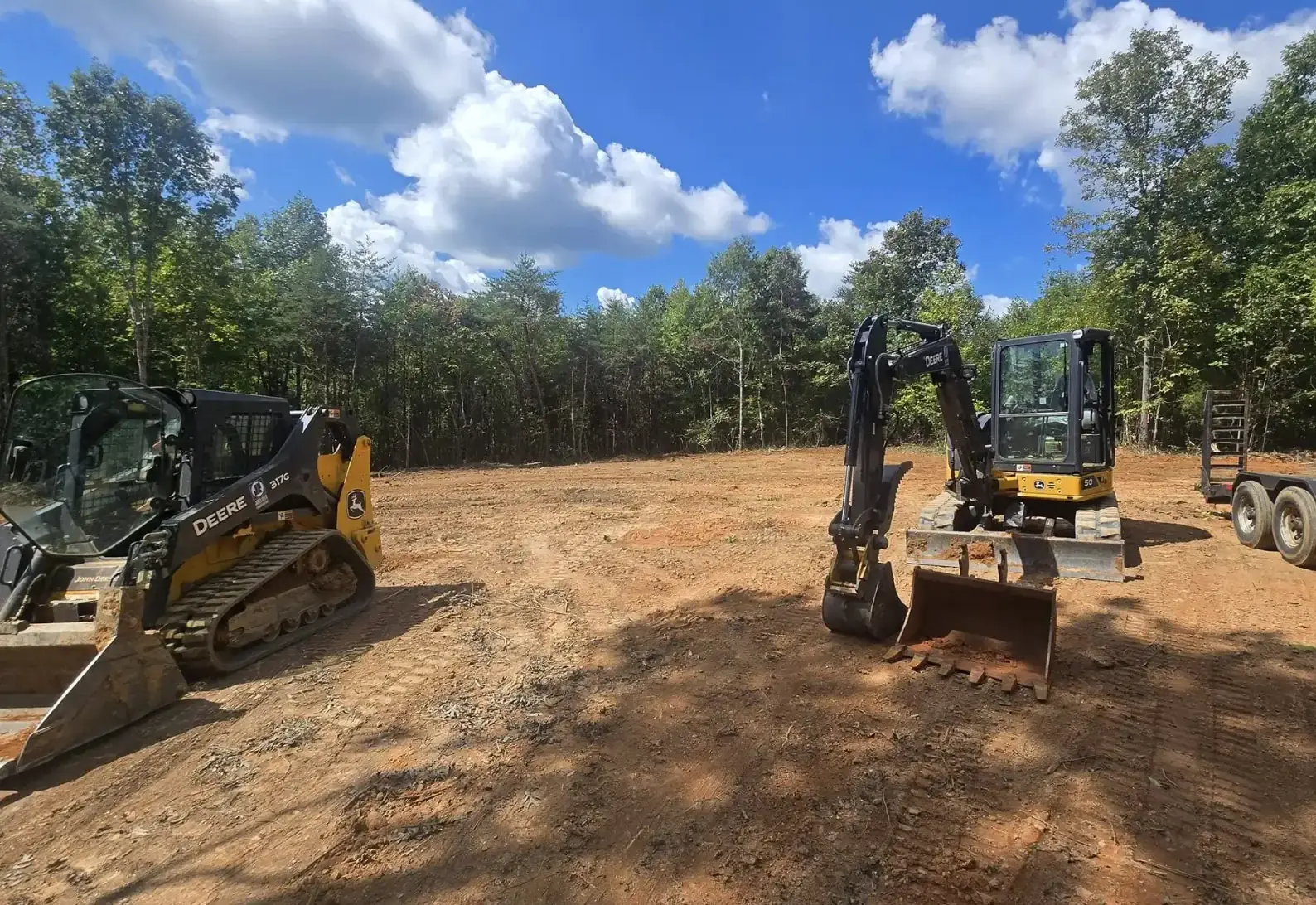
We clear lots, home sites, fence lines and grown-up acreage with the excavator and the skid steer. Stumps and root balls come out, the debris is hauled off, and the ground is smoothed back down.
Learn More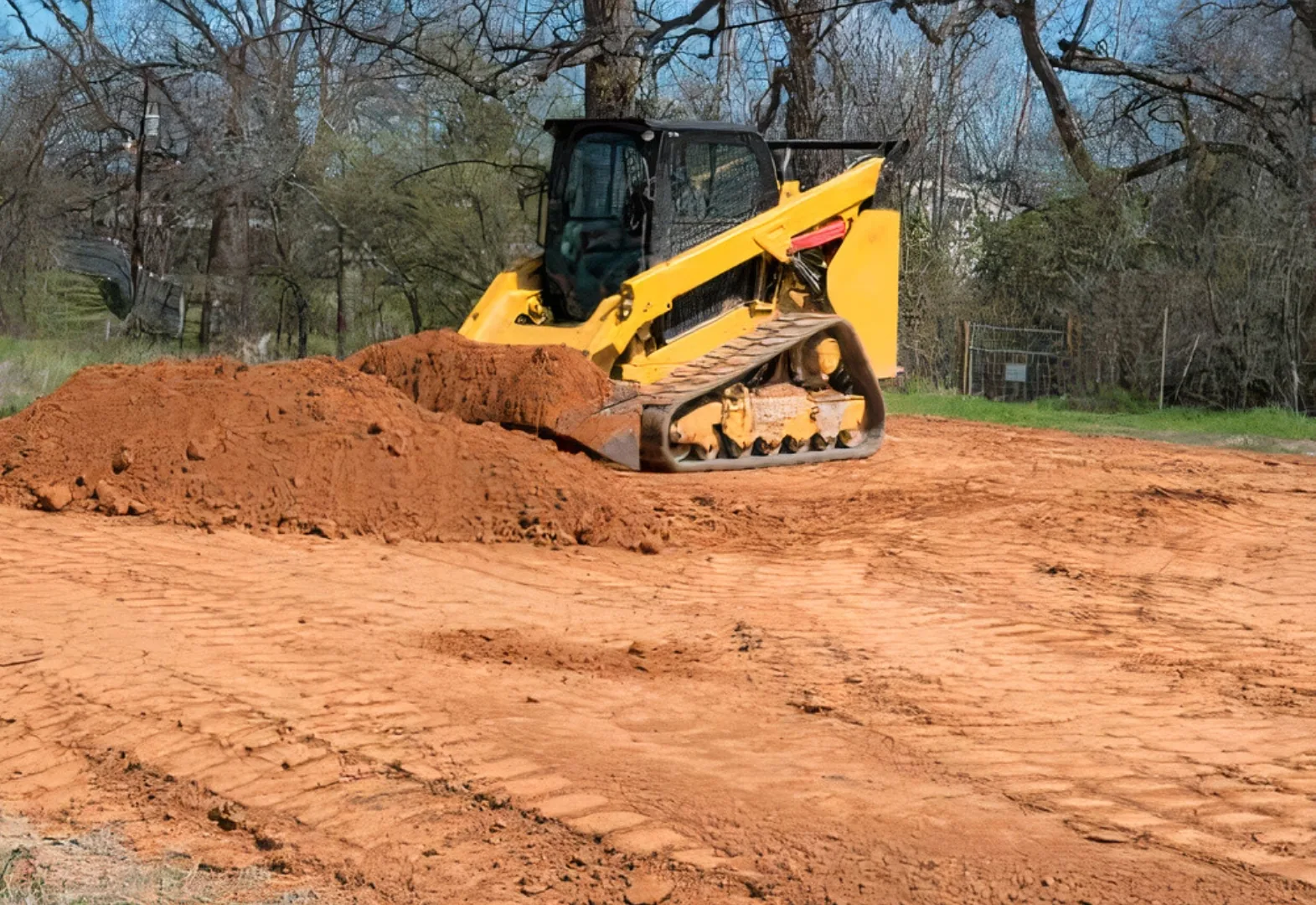
We level and grade yards, lots and acreage around Bastrop. Low spots get filled, high ground gets cut, and the surface is sloped so water leaves.
Learn MoreWe are based in Bastrop and work northeast Louisiana, from Minden on the west side to Tallulah on the east.
The tracked excavator, the skid steer and the dump truck belong to us. Digging, grading and hauling all come from the same company.
Clearing, the pad, the drive and the final grade all run through us. You deal with the same company the whole way.
We come out and look at the ground before we put a price on it, and that visit is free.
Tell us where the property is and what you want done, and we will set a time to come look. Call (318) 614-2073, or fill out the form and we will get back to you.
Tell us about the job. We will get right back to you.